

For those like me growing in cool climates, now is a good time to get planting your caulis. I planted my first crop between Christmas and New Year. I planted my second crop, my main one, last week. But if you’re based in Melbourne then the timing needs to be different. More on that further on in this article.
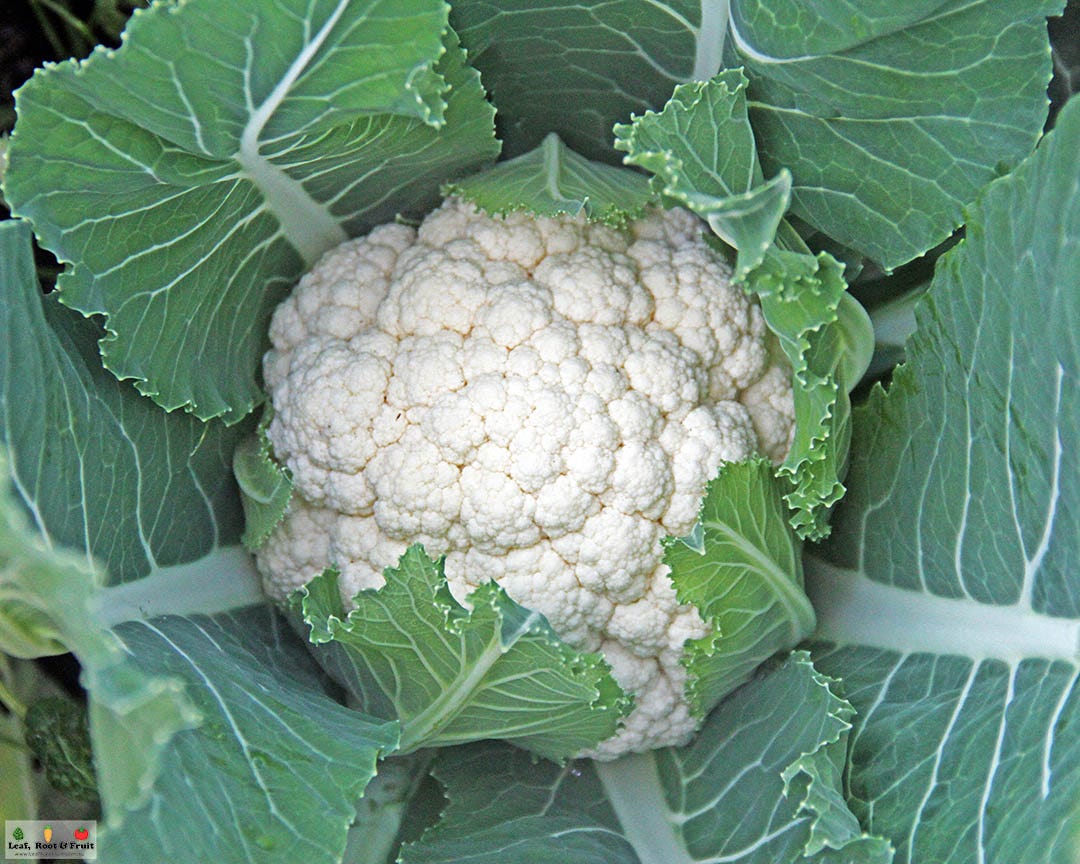
Cauliflowers are the beefcake siblings of broccoli. They’re robust and meaty. Cauliflowers can be slow to grow compared with broccoli but they come in a bigger range of colours: orange, yellow, green, purple, and of course – for the traditionalists – white.
One of the worst things I’ve ever done in the garden is to grow cauliflowers over the summer
The traditional time to plant brassicas in Melbourne is St Patrick’s Day (March 17). But when I lived in Melbourne I waited until late April or even early May. This allowed me to:
finish harvesting my summer crops without the needless destruction of removing them prematurely to plant winter vegetables
avoid the dreaded Cabbage White Butterfly, which is prolific in March but less common toward the end of April.
In Kyneton the growing season is much shorter than in Melbourne. Here, I didn’t want to wait too late. I decided that my first brassica crop should be planted in mid-March. I thought I was being too eager, but I was still way off the mark. It was already too cold by then. The seedlings stagnated, the weeds overtook them, and that year my brassicas amounted to nothing but slug food.
Moving to Kyneton meant learning gardening all over again. I needed to optimise my brassica planting strategy for a cool temperate climate. I went back to basics and sowed different crops of brassicas at different times of the year. I knew that commercial Brussels sprouts growers sowed their seeds in November. I copied that and planted various brassica seeds in November. The cauliflower plants grew very quickly and produced huge heads. But gosh they were bitter. Totally inedible. I no longer grow cauliflowers in summer. They don’t respond well to heat. Last year, summer wouldn’t die and autumn was incredibly warm. This affected the caulis I harvested in May. Fortunately, they were still edible, despite a bitter taint.
Common problems when growing cauliflowers
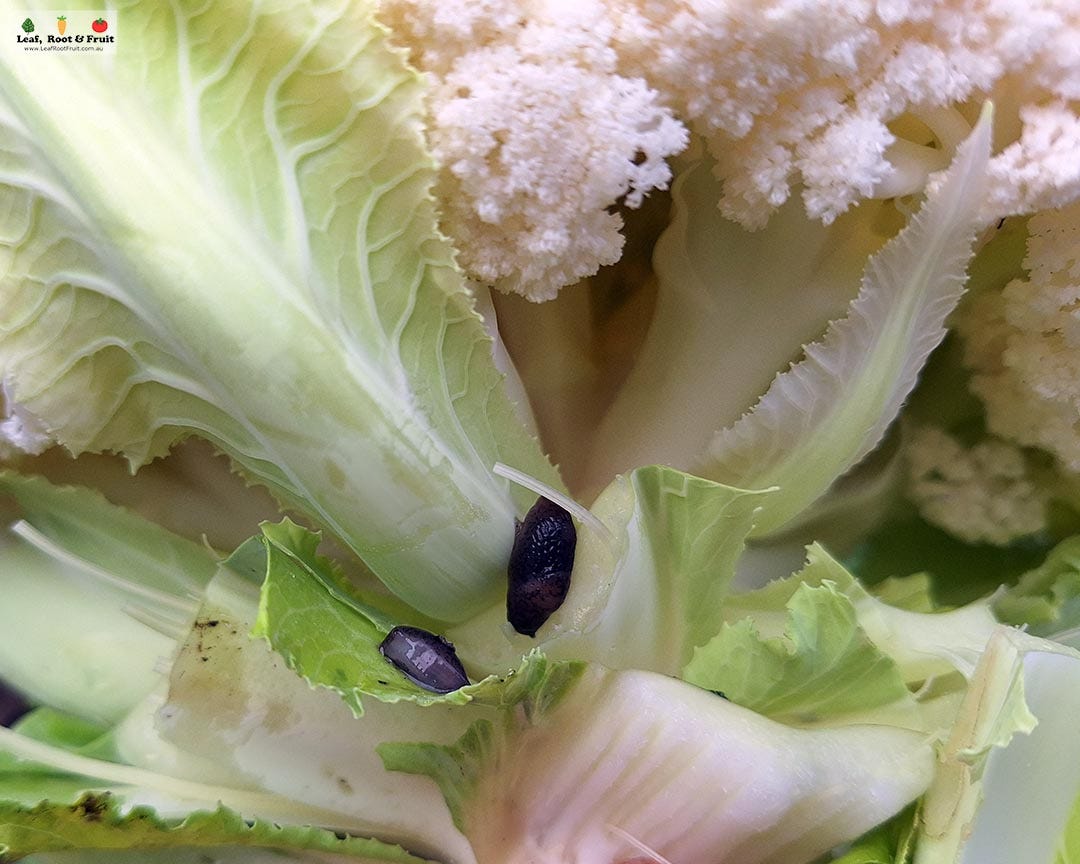
Cabbage White Butterfly can wreak havoc on young cauliflower seedlings – in fact on all brassicas. Read how to avoid this problem here.
A range of fungal diseases can affect brassicas. I find this problem is best overcome with good airflow (achieved by spacing plants far apart and keeping the weeds down) and variety selection.
If your cauliflowers have tiny florets, it’s likely your seedlings became stressed before you transplanted them. It’s number six in my list of top 10 gardening mistakes. You can read more about avoiding this mistake here.
Rats can be a real pain when it comes to growing cauliflowers. They love to eat the developing heads. Read more about what to do about them here.
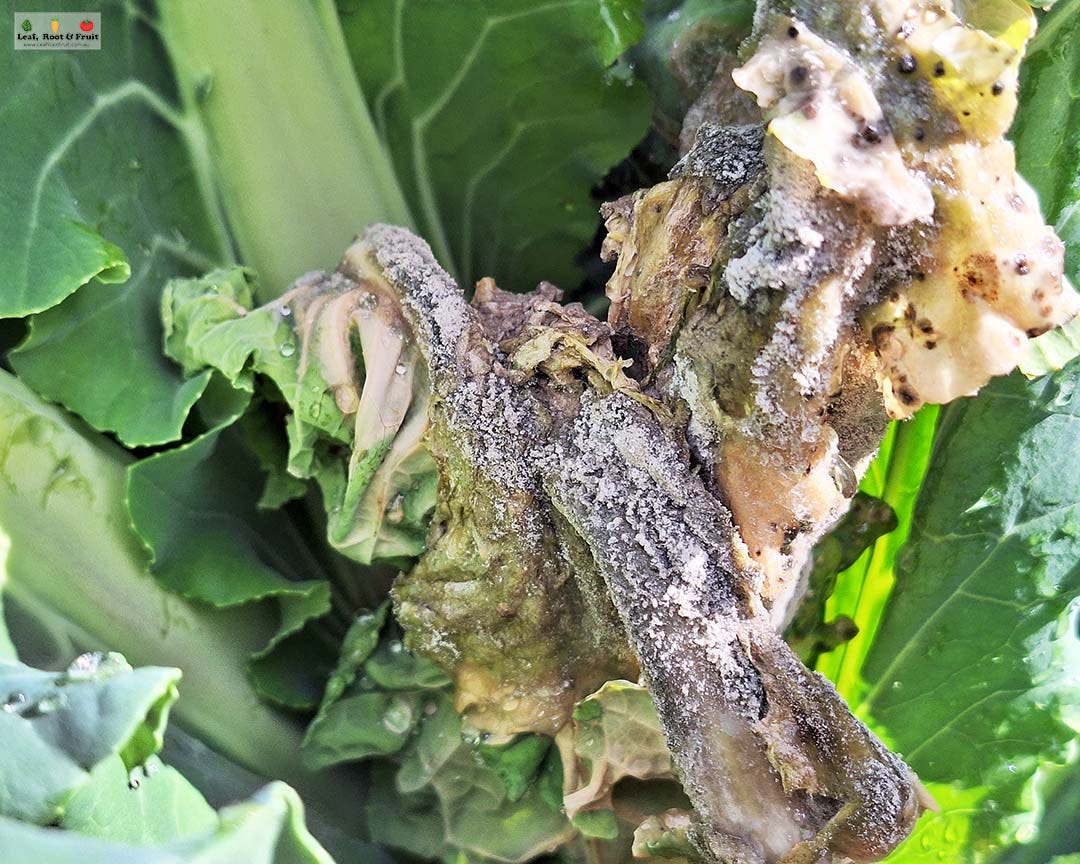
The following posts in the Vegetable Patch from Scratch series will give you more information on common problems when growing cauliflowers:
Myth-busting: do cauliflowers need blanching?
A lot of folks swear by the need to blanch their cauliflower heads. Blanching refers to tying the leaves over the heads as they grow, not boiling and cooling the florets before freezing.
Protecting the developing cauliflower head reduces the amount of sun exposure. Excess sun exposure can lead to bitter cauliflowers (which explains my summer cauliflower disaster) and yellowing or browning of the florets.
However, I never blanch my crops. I grow too many plants for me to bother. I find that in winter the heads of my cauliflowers don’t need blanching. It would be interesting to grow cauliflowers in summer and see whether the blanching would render them edible. But the glut of cauliflowers every winter makes me grateful for a summer free of the stuff. So I won’t be trying this one at home.
The nitty gritty of growing cauliflowers: phenology, varieties and planting
Timing
This chart shows the best times to grow cauliflowers based on my experience of growing these crops in both Melbourne (warm temperate) and Kyneton (cool temperate), both in south-eastern Australia. The timing is applicable for growers in the same climates across the southern hemisphere. Northern hemisphere folks will need to adjust the timing by six months.