

How to Plant a Fruit Tree
This post is about digging holes. Because there’s more to it than you think.
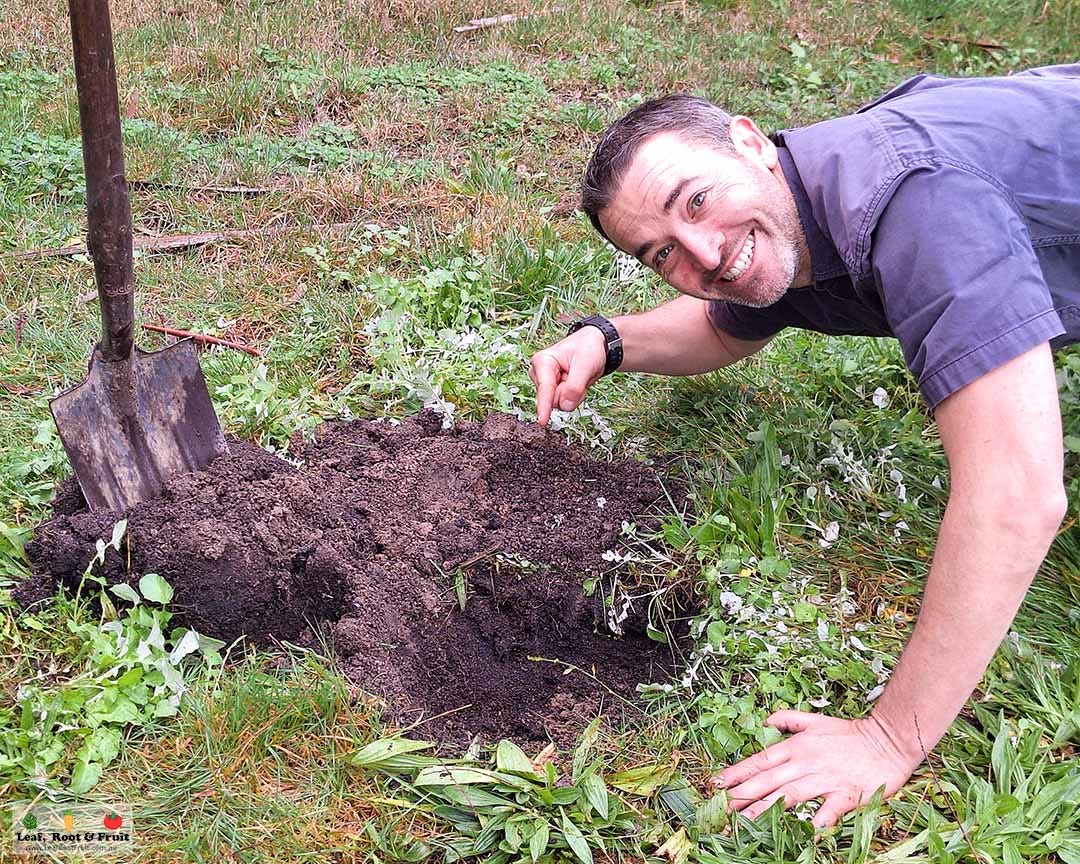
It’s bare-root season. And that means that many of my readers will be excitedly planting a new fruit tree in their garden. Perhaps you’re planting multiple trees as part of a backyard orchard. Maybe there’s “just one more tree” you desperately want to include, a coveted variety to be squeezed in between two established trees (don’t do it!). Maybe you’re about to plant a sentimental favourite, such as an “English” mulberry or a “Moorpark” apricot, to remind you of your childhood. Whatever the reason, you’ll need to dig a hole.
Before describing how I think you should dig a hole, I’ll describe the type of hole you want to avoid.
Down the wrong rabbit hole
I’ve seen it many times: folks with access to heavy machinery reckon they can save themselves some time and give their new trees the best start in life. In comes the excavator or tractor. Down goes the widest auger attachment they can rustle up. Down. Down. Down. At about a metre depth they pull out and empty the hole.
Then along comes barrows of compost. The hole is refilled.
The intention is good. Let’s drill the hole, make the soil soft. The roots can grow deep. The tree can access water deep within the soil and survive drought. The compost will give it a great head start.
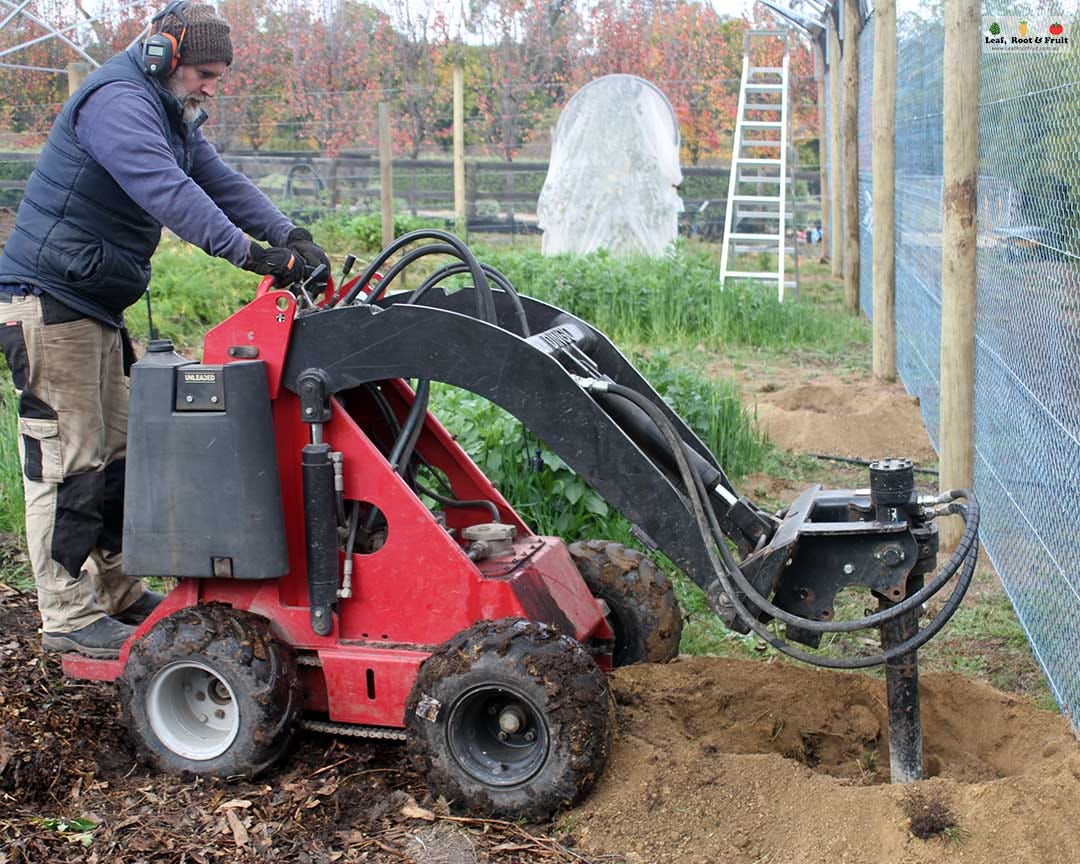
But here’s the reality.
Those holes do create a lush environment for the tree roots to grow in. But that’s where they’ll stay. Tree roots won’t want to force their way from the cushy compost-rich soil into the hard, compacted clay that surrounds it. Around and around the perimeter of the hole the roots will spiral. Effectively rootbound, they’ll head deeper and deeper into the hole. But they won’t break out of it.