

Ten Fruit Trees You Should Include in Your Backyard Orchard
How to produce a spread of delicious ripe fruit across the year
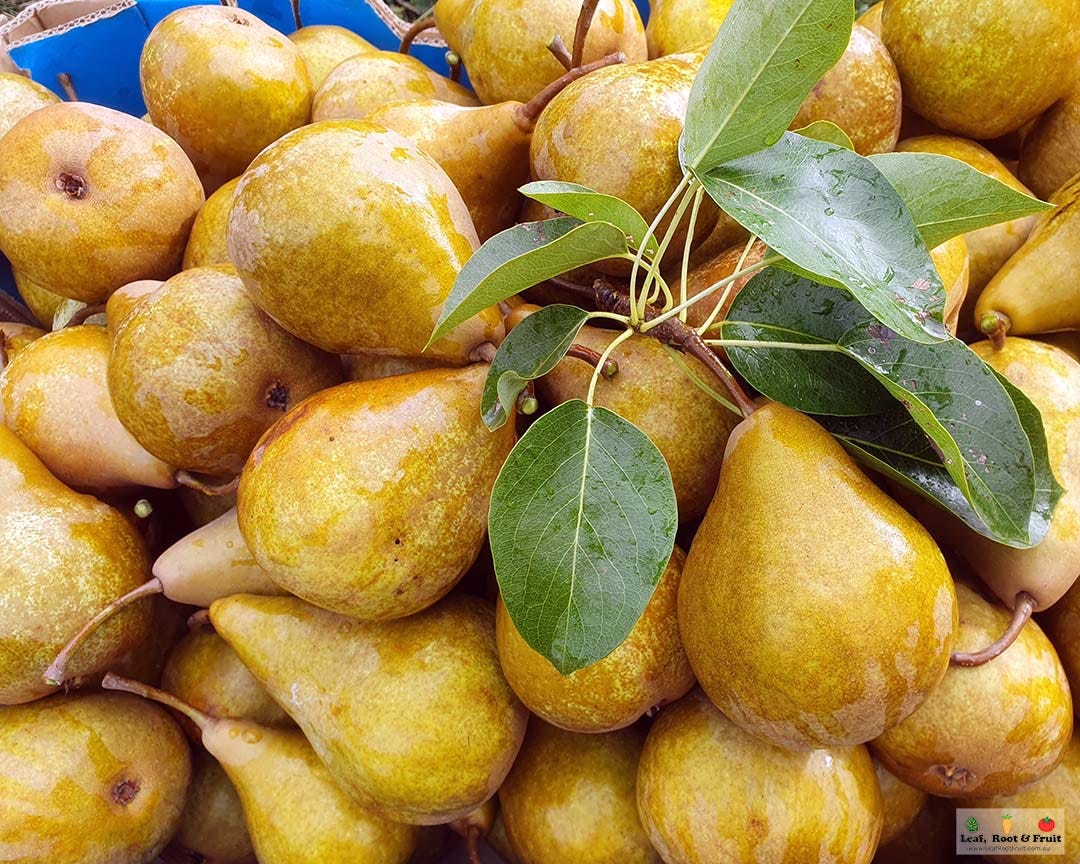
In a recent post I shared my own experience in determining how many fruit trees are too many. Yes, I’m extreme in my approach, but I’ve found out that even I have my limits. This winter some of my fruit trees got the chop.
Last week I discussed how many fruit trees is ideal for a backyard orchard. Many of my readers were surprised at how low that number was.
Today’s post is a list of varieties that I reckon you should consider including in your backyard orchard.
This isn’t clickbait. It’s not a hastily compiled list of my 10 favourite fruit varieties. In fact, some of my personal top 10 didn’t even make the cut. But if you asked me to design a backyard orchard and include 10 reliable trees that produce a spread of delicious ripe fruit across the year, then this is what I’d probably include. It’s a list of what I’d plant based on four factors: pollination, ripening times, resilience and flavour.
I’ve been meaning to write this post for years. But it meant poring through mountains of journal entries, scrutinising years’ worth of ripening and harvesting data, and reviewing all my taste test notes. I kept putting it off, and it took me ages to compile, but now I’ve finally completed it.
You and I will probably have different favourite fruits and different flavour preferences. You may garden in a cooler or warmer climate where the ripening times need adjusting. Regardless, if you’re thinking about planting some fruit trees this winter, then this list is a good place to start.
Caveats and considerations
Designing an orchard means considering many factors. Designing even a small orchard of just 20 x 20 metres can take me dozens of hours (more on my design service here). I need to consider rootstock choice, layout, espalier versus freestanding trees, netting by hand or building a permanent netted enclosure, access and irrigation. Once all that’s decided upon, it’s time to get busy selecting fruit. Here are some of the factors that I consider when selecting fruit trees for clients.
Pollination
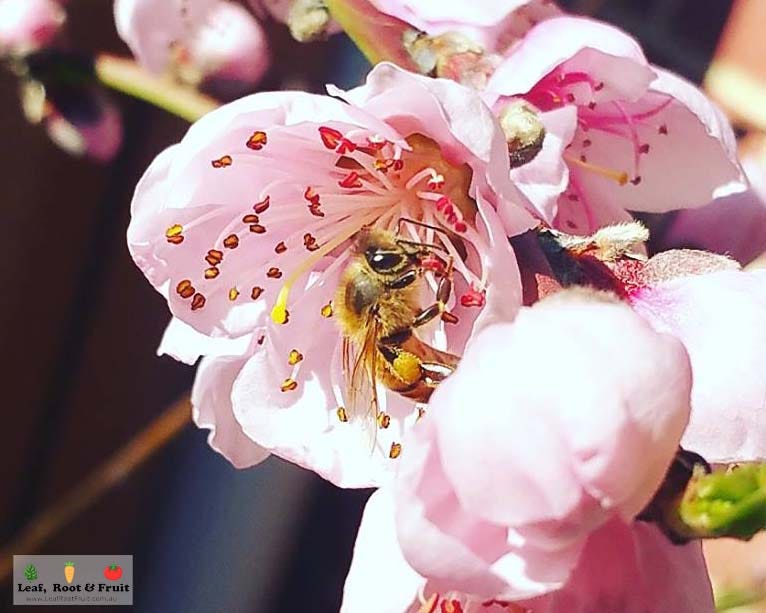
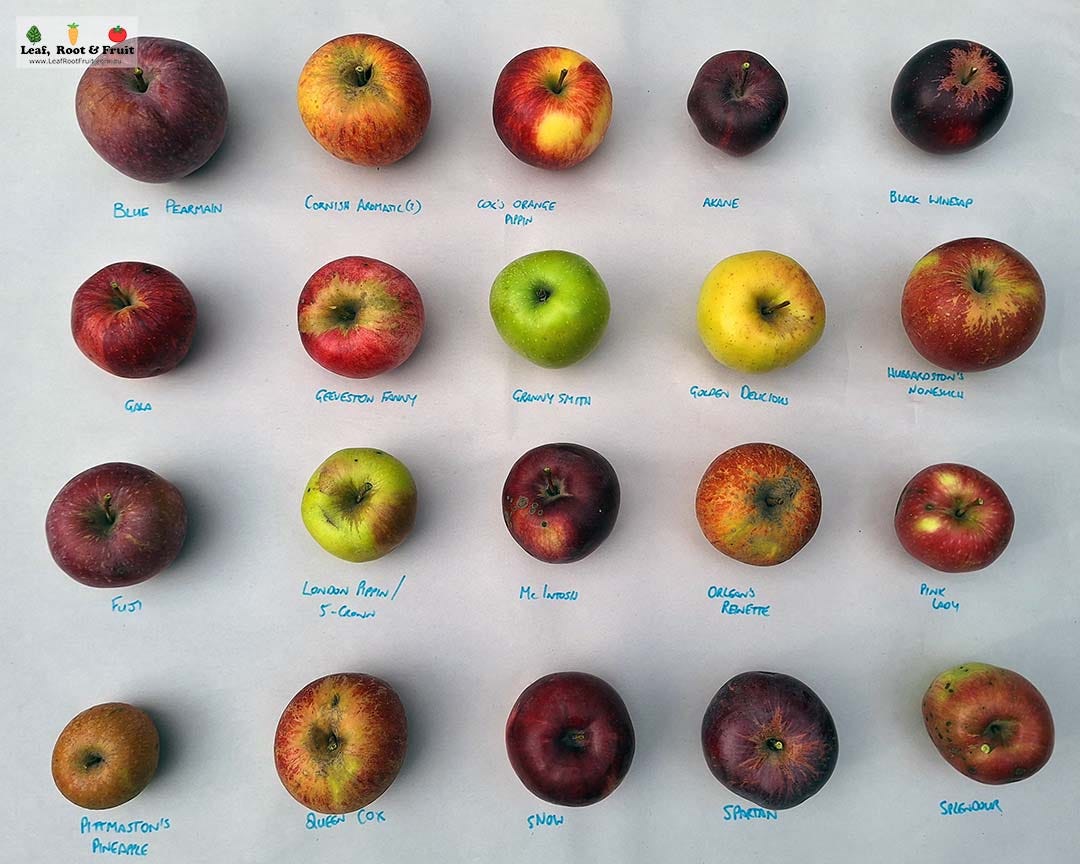
Some fruit trees are self-fertile – peaches, for example. They’ll pollinate themselves, so you don’t need to grow a second tree for pollination. Apples and pears must have a cross-pollinator of a compatible variety (two Beurre Bosc pears won’t pollinate each other; you’ll need, say, a Beurre Bosc and a Williams).
Ripening times
Cherries ripen around Christmas. Summer is stone fruit season. Autumn provides an abundance of pears and apples. Citrus can be a winter staple. But within each type of fruit, there are early, mid- and late-season varieties. By using a ripening chart such as this one, you can select fruit for year-round abundance. If you are designing a kitchen garden for a school, then don’t plant half a dozen fruit trees that all ripen during the January school holidays. Spread the harvest across the year.
Resilience
Some trees are bulletproof. It doesn’t matter where you locate them. Others are sensitive to high humidity or other environmental conditions. For example, apricots grow well in Kyneton, but they produce fruit only in good years, when the conditions in spring are favourable. Some varieties of apple are more resistant to woolly aphid or apple scab than others. Certain peaches are more susceptible to curly leaf. Careful variety selection can reduce or completely prevent disease outbreaks without any need for sprays.
Flavour
Grow what you like to eat. If you are going to harvest 90-odd kilos of fruit from your pear tree then you’d better enjoy the flavour. Flavour preference is the tricky part of compiling this list. What tastes great to me may not be your cup of tea. Wherever possible, I recommend you taste a variety before you plant it.
The trees that follow are listed in order of ripening in my orchard. These periods are approximate and vary annually. In Melbourne, early fruit, such as cherries, will ripen sooner than what I’ve listed. Late-season fruit is especially variable in its harvest period.
If you want to plant fewer trees you can make an informed decision about which trees to cull from the list based on the notes I’ve included.
Lapins Cherry
Harvest: Late December.
For the last two Christmases, I’ve supplied a glass bowl filled with a kilo of homegrown cherries for my family’s Christmas Day lunch, picked from my Lapins cherry tree in the days before. One kilo of cherries doesn’t sound like much, but the tree is tiny and punching well above its weight in terms of productivity. Lapins is self-fertile and doesn’t need a cross-pollinator. I have several other cherry varieties, but the Lapins has proven the most resilient and problem-free. And they taste great.
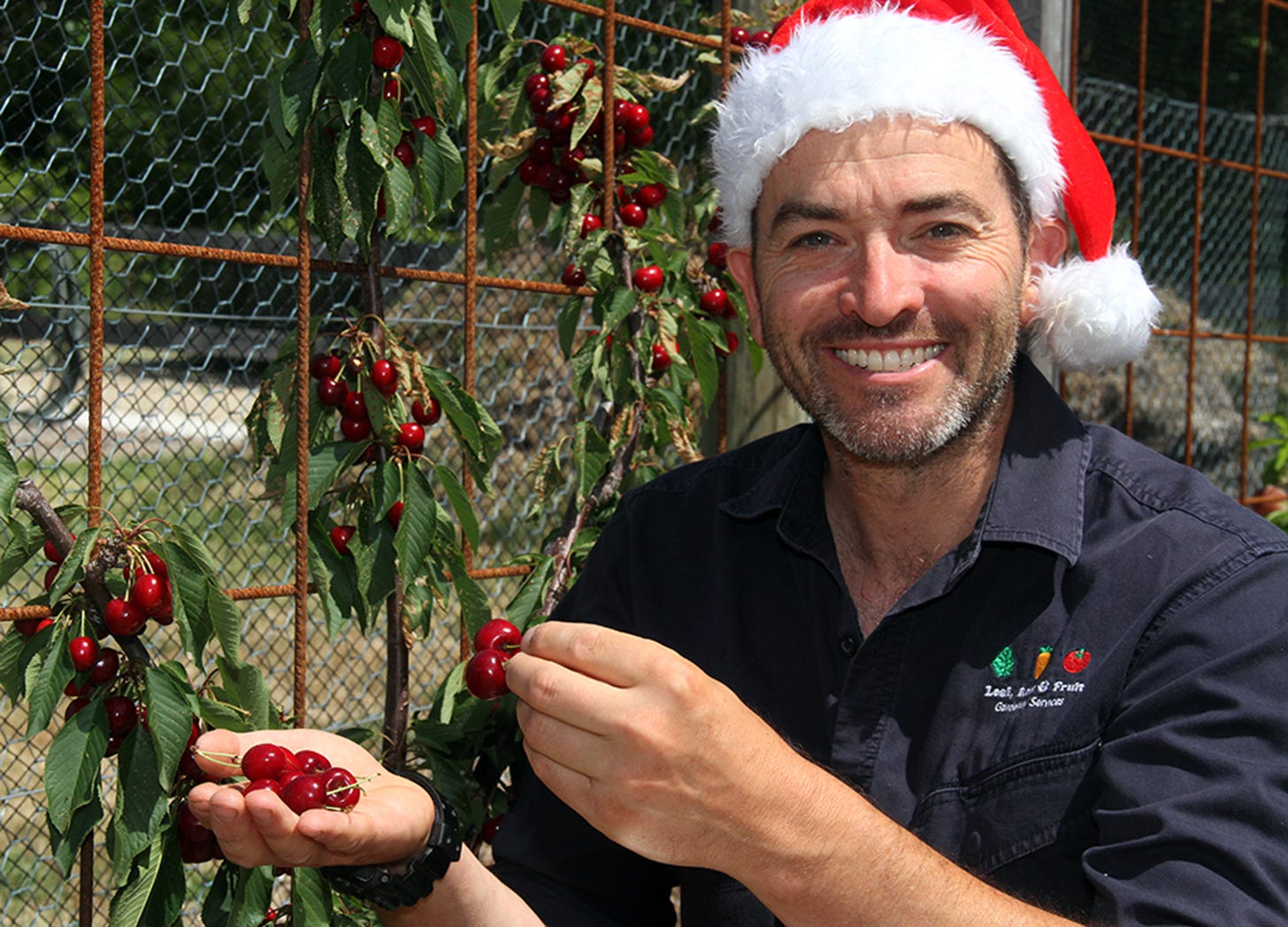
Alternatives: Other self-fertile cherry varieties that don’t require a cross-pollinator are Stella and Sir Don.