

My Hits and Misses of the 2025–26 Summer Vegetable Season
A review of what worked well and what I'll do differently next time
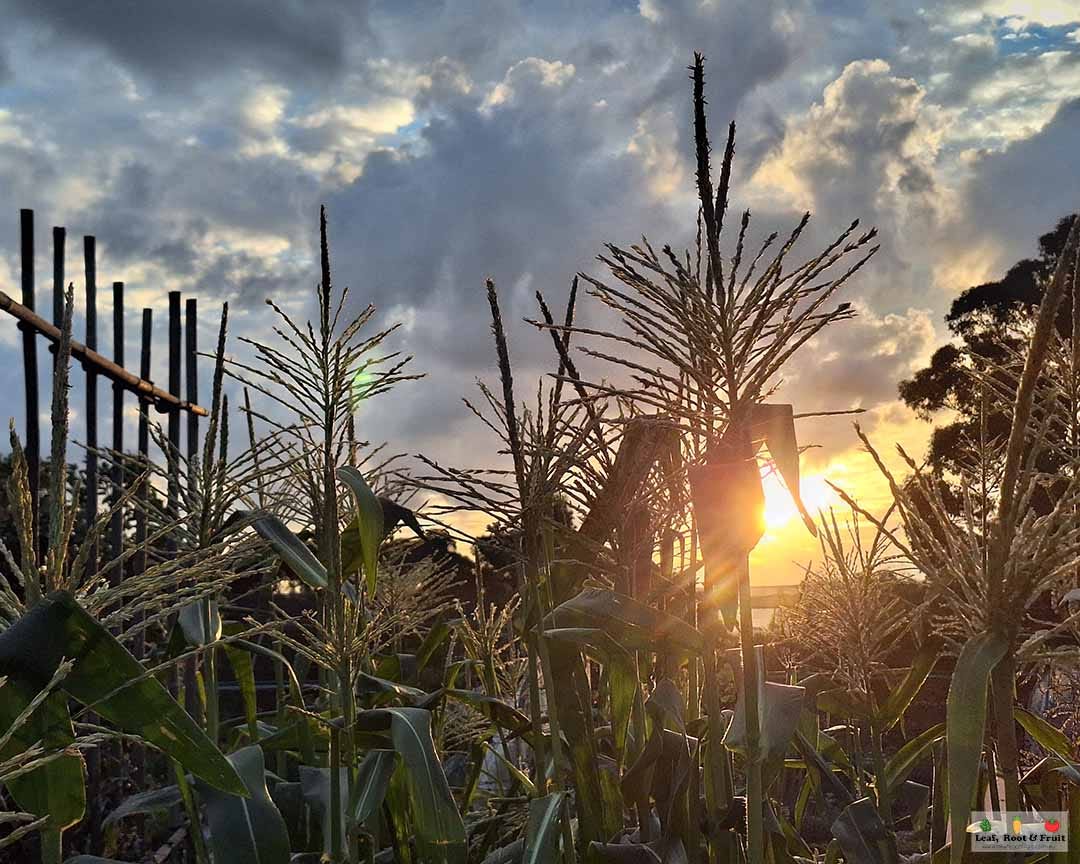
I’ll remember this summer growing season for many years to come. Unfortunately, it will mostly be for the wrong reasons. The season started very slowly and the last frost was late. Then it was hot. Very hot, windy and dry. At the end of February, the rain fell and made everything hot and humid, perfect conditions for fungal diseases. Combined, these conditions led to one of the poorest growing seasons many of my readers have ever experienced. But I’m already looking forward to next year, to another roll of the dice.
Time to reset and reflect
Every year, as the frosts put an end to my summer crops, usually in April, I reflect on the season just gone. The growing season is fresh in my mind so it is the perfect time to record in my gardening diary all sorts of ideas.
What should I grow more of next year? And less of?
What crops did well and what performed poorly?
What did I grow too much of?
What crops do I need to increase in size to meet demand?
What should I do differently?
I also do a quick stocktake of my seed collection and put together a shopping list for next planting season, which begins in just a few short months.
Here are a few of the hits and misses from my patch this summer. I wonder how many successes and failures we shared? I’d love to read your reflections on the growing season in the comments section below.
Where you bean?
My runner beans never stood a chance. My first crop was mown down by earwigs and slaters as the seeds germinated. I tried re-sowing more seed, but the critters were unrelenting. I didn’t harvest a single bean this summer.
Cucumber swings and roundabouts
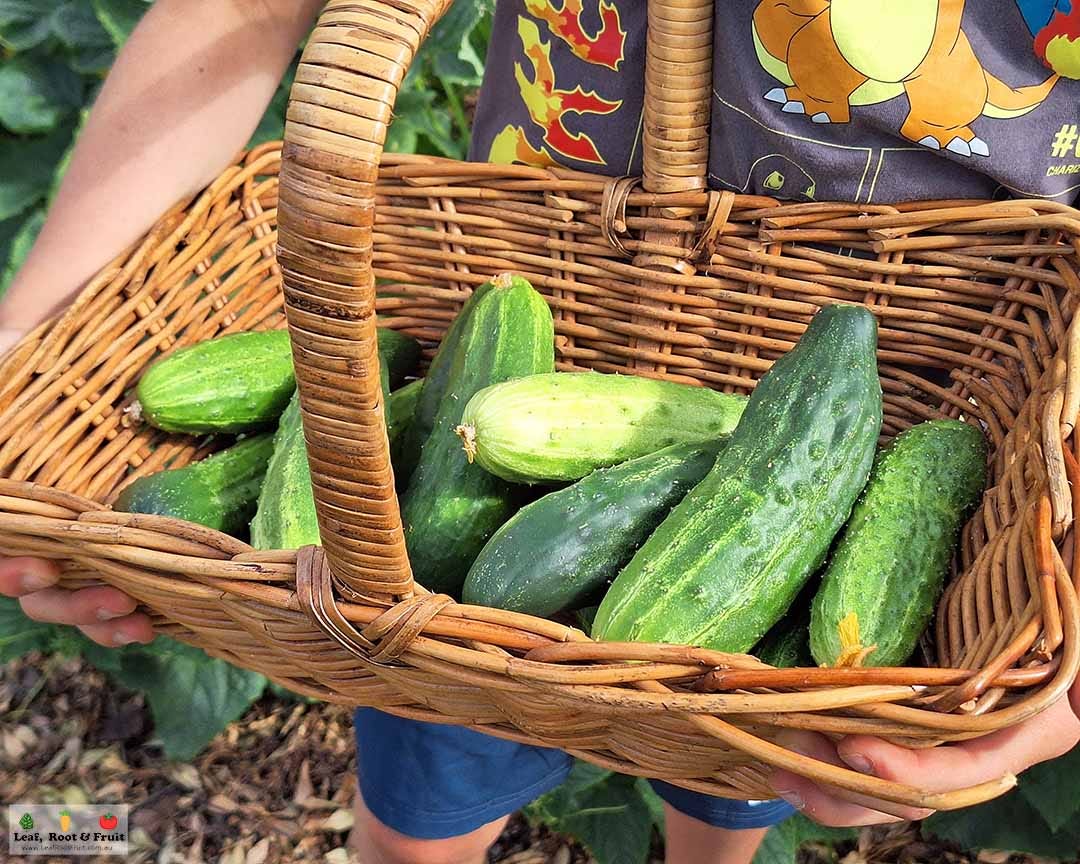
Cucumbers are one of the few crops that my kids never get sick of (passionfruit are another). Initially my cucumbers produced prolifically. I grew “German Pickling” cucumbers for the first time ever and they were great. I had three successful crops of cucumbers in three different areas of the garden:
My traditional Lebanese cucumber patch in the kitchen garden
“German Pickling” cucumbers in the market garden
A landrace of many different varieties in a vacant bed in the berry patch.
After a strong start all of them started producing bitter cucumbers in mid-February at around the same time. Each of these three crops of cucumbers are spaced at least 60 metres apart, some in raised beds, some in the ground. Normally bitterness in cucumbers is caused by infrequent watering. Each of these three patches is on a completely different irrigation system with very different frequencies and durations. I think it must have been heat stress that initiated the bitter taint. Unfortunately, despite cooler conditions in March, the plants continued to produce a high percentage of cucumbers that were bitter.
Bittersweet corn
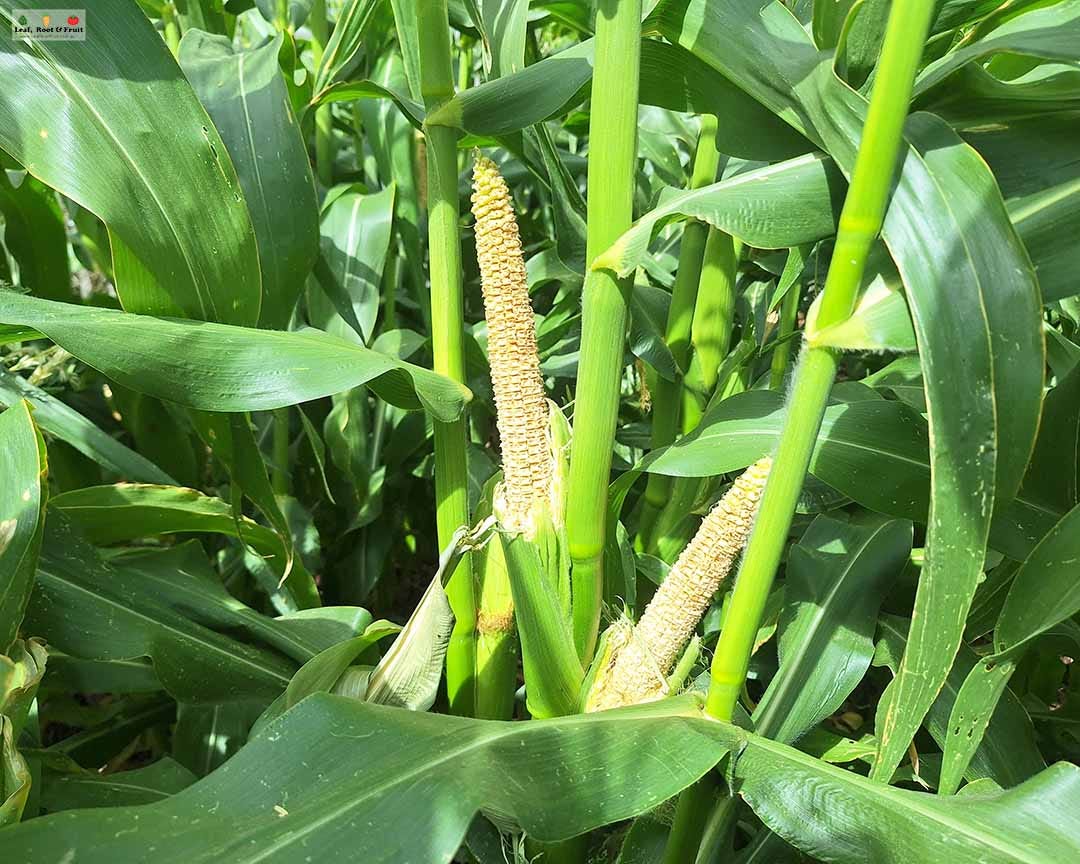
I’m constantly tweaking my sweet corn succession planting. This year I came even closer to sweet corn succession success. I adjusted the timing of my crops using phenology and planted each crop a week later than my succession plan indicated. The timing of most plantings was good. But next year I’ll add a bigger gap between crop two and three and reduce the gap between crop four and five. I’ve updated my planting plan for Central Victoria accordingly.
I also reduced the number of plants I grew to just 30 per crop (down from 50). This would have been an ideal crop size: big enough for good pollination, but with less wastage of cobs than in previous years. Would have been, that is, had the rats and mice not shown up. I still harvested plenty of delicious sweet corn but much less than I would have liked.
Jackpot zucchini
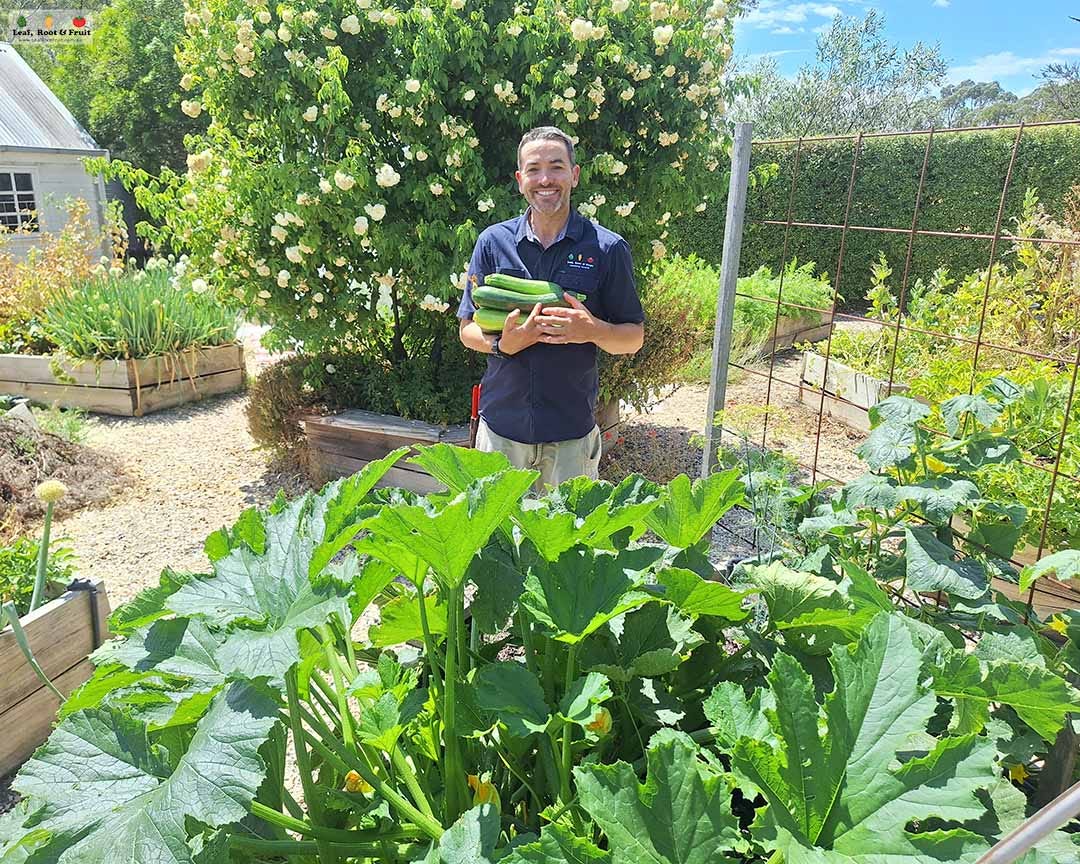
I stuck to my one zucchini plant rule this year. I’ve grown “Black Jack” zucchini many times in the past, but the plants have never been as vigorous or as productive as the plant that I grew this year.
I’ve saved seeds from this plant to grow again next year in the hope that my success was due to genetics rather than environment.
Tomato delays but hold the sauce
This year my tomatoes were the slowest ever to ripen. By the end of January my harvest amounted to little more than a handful of cherry tomatoes. This year I omitted planting a few notable varieties, including “Broad Ripple Currant” (fruit too small and fiddly to pick) and “Stupice” (not overly flavoursome). Perhaps I would have ripened a tomato a bit earlier if I’d grown these varieties.
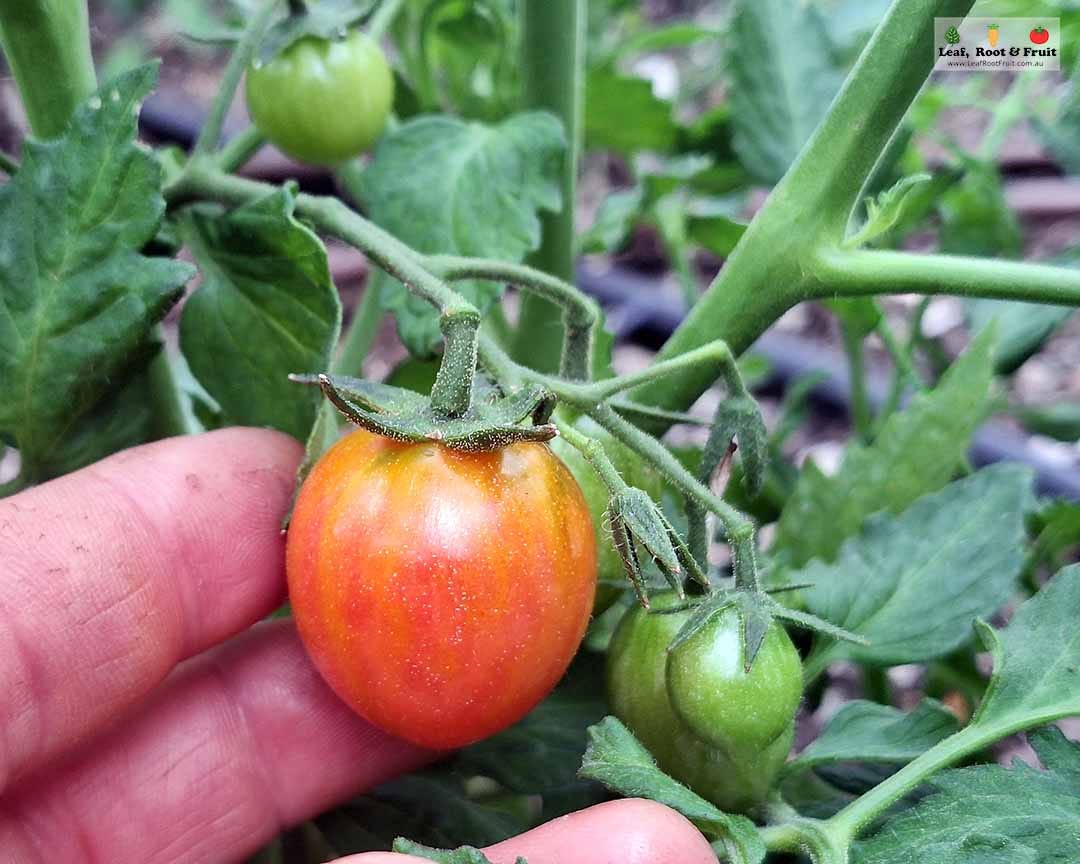
Surprisingly, it was “Pink Bumblebee” that was first to ripen this year. It’s typically slow to get going and not overly productive. But this summer it revelled in the heat to become one of my best producers. “Jaune Flamme” had another stellar year, as it always does in Central Victoria. Overall, the flavour of my tomatoes was bland compared to previous years. The kids gravitated to the exception to this: “Wapsipinicon Peach”. Hardly any “Wapsiwhatsits” fruit it made it inside the house – they ate most of them in the vegetable patch. Even though it wasn’t overly productive, “Wapsipinicon Peach” was the tastiest of all the tomato varieties this year. “Black Cherry” came in at a close second for flavour. My slicing tomatoes, “Earl of Edgecombe” and “Japanese Black Trifele”, produced late and far less than usual.
I decided not to plant a saucing tomato crop this year and to have a year off making passata. I’ve looked back through my records and done the maths. When I add up the time it takes to propagate the “San Manzano” tomato plants, set up the trellises, transplant seedlings, train, weed and tend the plants, harvest and then finally make passata, I invest around seven days of my year in the whole process.
I love having homegrown passata. But is seven days of my 365 days of the year worth all that effort? After all, that’s seven days I could spend enjoying a holiday with my family. That’s seven days I could spend being creative, writing and doing other things.
I’ll probably get back to passata making in the next year or so. But if I was going to have a year off, then I picked the perfect one to do it. Given the struggles of the summer, the plants wouldn’t have been very productive, and the rats and mice would probably have eaten most of the crop anyway. I’ve made the right call this year in giving the passata a miss. It would only have added to the frustration of a terrible season for tomatoes.
There’s snow peas like ‘em
This year I conducted a trial aimed at improving the timing of my snow pea succession planting. In my how to grow guide, I suggested that once a pea crop starts to flower, it could be about the right time to directly sow the next crop. I tried following this suggestion myself, and for the most part – it worked!
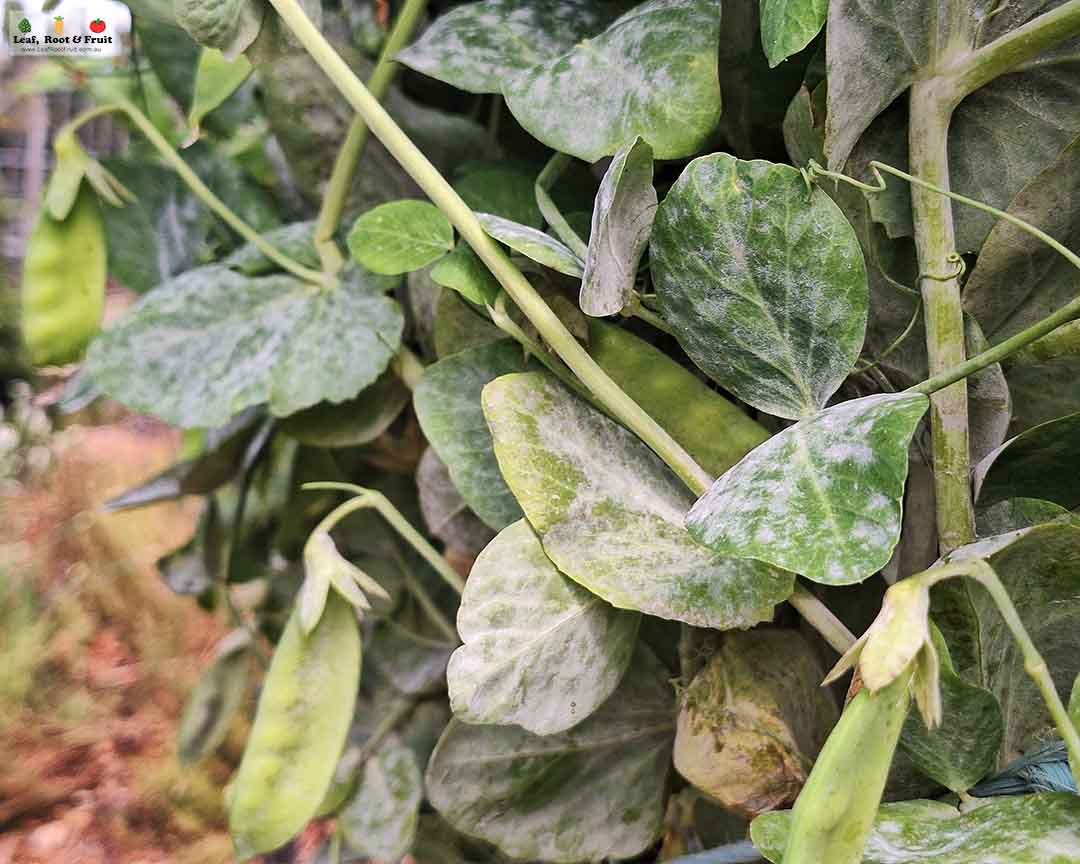
Snow peas will grow all year round in temperate climates like Melbourne’s. However, there are a few challenges to overcome. Firstly, in summer and autumn, the plants can quickly become overwhelmed by mildew. During periods of humidity, the harvest period can be very short – sometimes so short that it’s not worth growing them.
In the cool temperate climate of Kyneton, the other problem is that frost can damage the flowers. There is little point having pea crops that flower in the depths of a Kyneton winter, because the pods won’t develop.
Based on my trial (which is still ongoing), I’ve given my succession planting strategy a huge overhaul and accordingly updated my Planting Plan for Central Victoria.
Want to better understand the seasonal changes in your garden and how to plan your planting strategies accordingly? Come along to my upcoming Garden Planning workshop on 30 May.
Leafy greens grow themselves
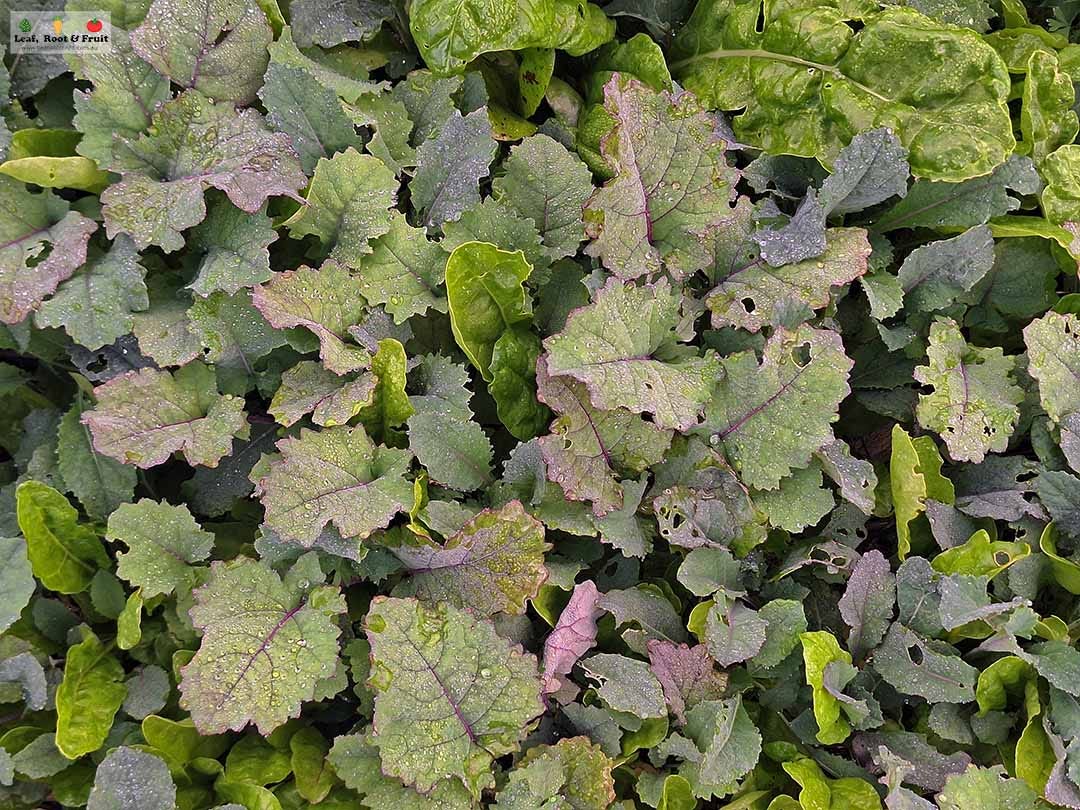
I’m still closely watching some celery and kale plants, but round one of my leafy green trial has mostly finished. The space that I used for the trial is now a mass of self-sown kale, silverbeet, lettuce and mustard greens.
I’m now focused on my lettuce landrace project. Thanks to the generosity of some of my readers, I’ve accumulated between 80 and 120 varieties of lettuce. I’m in the process of growing them out so I can save bulk quantities of seed to share with you. It feels as though it’s taking forever, and at this rate, I won’t have a “full set” to share until well into 2027. But I am having a lot of fun in the process. Thanks to everyone who has supported this project.
In the meantime, there’s still time for you to request a small subset of these lettuces via my Seeds of Gratitude 2.0 seed giveaway. After this weekend I’ll stop taking requests, so get to it.
Butternuts – bingo!
I’ve had one of my most successful summers ever for growing pumpkins. Amazingly, some of my most productive plants were butternuts, a type that I’ve never had much luck with in Kyneton before. I’ve got a lot more to say about this surprising success in a future post. Stay tuned.
Papayadew for the win
In spring 2025 I cleaned out the melon section of my seed storage. I sowed seeds from every melon seed packet, regardless of its expiry date, and placed the pots in the greenhouse. A lot of seeds failed to germinate, but I had plenty of seedlings to transplant into the garden. When I did, the earwigs and slaters promptly cleaned up most of the plants (they especially loved the cantaloupe seedlings).
The main survivors were “Charleston Grey” watermelons and a plant I’ve never successfully grown before: “Papayadew”.
The “Charleston Greys” went on to produce a few decent sized fruit. But the flavour was insipid and the texture a bit mushy for my liking. However, the Papayadew was phenomenal. It produced an astounding seven full-sized fruit that were some of the best tasting melons I’ve ever eaten.
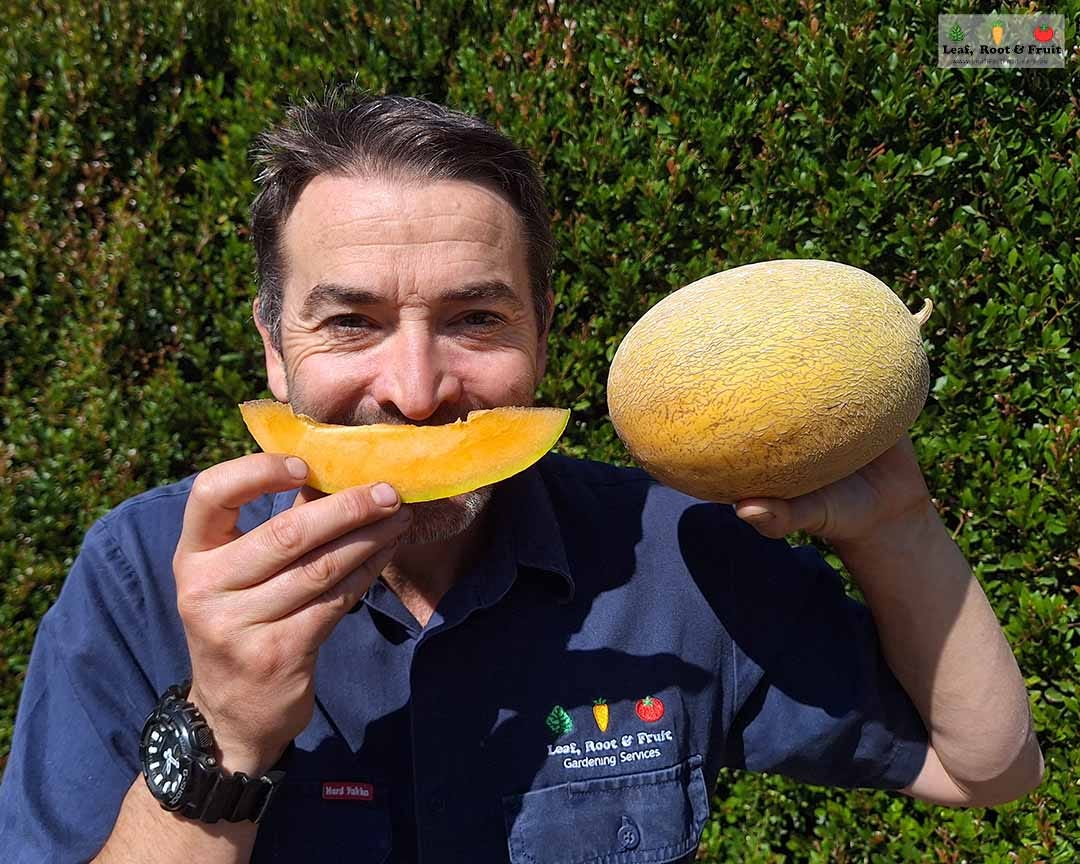
Papayadew is an F1 hybrid cross between cantaloupe and honeydew. It has green skin that turns yellow when ripe, and rich orange flesh. The flavour resembles cantaloupe, with the sweetness of the honeydew. Because it is a hybrid, any offspring are not likely to come out true to type. But I’ve saved some seed anyway and will plant it this spring to see what happens.
Over to you
What were the big successes in your patch this year? What did you learn and how will you do things differently next summer? I love reading readers’ comments and I always find out something new from them, so don’t hold back.
Hi Duncan, this was my second year of growing rockmelons. Last year they were a reasonable size and very tasty. this year they were much smaller, but just as good to eat. For next summer I’d like to try the papayadew melon after reading your comments about that variety. So, where can I find some seeds please. Nothing in Bunnings so far….
Hi Duncan and all
A mixed season in Northcote (inner NE Melbourne)
Good: zucchini (black jack) - still producing 2-3 per week mid May but looking pretty mildewy; basil - best stand still better than supermarket; Lebanese cucumbers, celery, silverbeet, cos lettuce, oregano, mint.
Variable / Average: tomatoes, butternut pumpkin, peas, yellow zucchini (yep, broke the one zucchini plant rule but no regrets); passionfruit (but maybe should blame rats); rocket
Poor: capsicum
Tomatoes: One of the Jaune Flamme plants from Duncan's gifted seeds was our best tomato plant by far, and some seed saved. One Wapsi Peach plant did OK. The others germinated, grew and transplanted well, grew a bit more then rapidly faded away. No Eye Deer why. Local nursery's Purtill's Tommy Toe were good, other sourced Tommy Toes grew and produced well, looked good but lacked flavour. Our one Grosse Lisse was so badly affected by fruit fly I'll avoid this variety entirely. All our successful tomatoes were small fruited indeterminant varieties.
Great year for: dandlions. And at seedling size are hard to distinguish from silverbeet style varieties. Then when big enough to distinguish, a mongrel to extract with all the root.
Best lesson: I saved butternut pumpkin seed from a promising F&V store pumpkin, 'planted' in a bottomless compost filled pot about July (to identify from other random volunteers) and waited. Transplanted the best few mid December. Got about 6 pumpkins, have saved seed from the best one to repeat process. Will try same strategy but put compost pumpkin nursery pot in a much warmer spot, hoping for earlier germination.
Another take away idea: our celery now reliably self seeding - identify best plant, tie centre up, let it go to seed, wait 4-8 weeks and don't assume all those sproutlings are parsley!! Wait to let the better identify themselves and crush/smell/taste to leave enough celeries in good positions to grow. Home grown celery is heaps better than supermarket.